⚡ Direct Answer: Is Off-Grid Solar Legal in the United States?
Yes, is off grid solar legal in all 50 states at the federal level. However, municipal building codes, utility franchise agreements, and county health regulations dictate whether you can legally disconnect from the grid. While solar equipment itself is never prohibited, living in a residential structure without an approved continuous power source, running water, or permitted septic system violates local property maintenance codes.
The Fundamental Distinction: You will never be arrested for mounting solar panels. Red tags, fines, and eviction notices stem almost exclusively from unauthorized electrical meter removal, lack of an approved On-Site Sewage Facility (OSSF), or violating minimum dwelling occupancy mandates.
Core Blueprint: Establishing a legally compliant off-grid homestead requires decoupling independent power generation from municipal occupancy codes by satisfying three distinct regulatory thresholds: National Electrical Code (NEC) Article 710 stand-alone safety standards, local Certificate of Occupancy continuous-utility mandates, and county-permitted wastewater sanitation rules.
Living completely off-grid with solar power is illegal in the United States and Canada because electric utilities own local energy rights.
Generating and consuming your own solar electricity is 100% legal across all 50 U.S. states and Canadian provinces. Legal disputes arise strictly over municipal minimum home size mandates, mandatory utility tie-in laws (IPMC Section 604.1), and approved septic/well permits.
The dream of severing ties with electric utilities, eliminating monthly power bills, and powering your home entirely from the sun has never been more attainable. Yet, when prospective homesteaders and cabin builders first investigate the legal landscape, they are confronted by conflicting rumors, viral social media horror stories of condemned homes, and the central question: is off grid solar legal in your state?
The internet is littered with oversimplified assertions claiming that off-grid living is “banned” in Florida, “mandatory” in California, or entirely unrestricted across rural America. The truth is far more nuanced, governed not by a monolithic federal law, but by an intricate patchwork of the 10th Amendment police powers, adopted model building codes, municipal utility easements, and county environmental health regulations.
To understand whether is off grid solar legal where you plan to build, you must separate the photovoltaic hardware from property occupancy covenants. Operating solar panels is protected under federal and state renewable energy statutes; however, occupying a permanent residence disconnected from public infrastructure requires meeting strict, verifiable legal and engineering standards.
5-Column Regulatory Analysis: Popular Myths vs. Legal Reality
Mainstream solar blogs frequently regurgitate clickbait headlines claiming entire states have outlawed off-grid solar. The following 5-column comparative matrix contrasts generic internet advice with verified legal statutes and engineering codes governing stand-alone solar installations in 2026:
| Regulatory Dimension | Common Misconception | Verified Legal & Technical Standard (This Guide) | Statutory / Model Code Citation | Homeowner Actionable Implementation |
|---|---|---|---|---|
| 1. Right to Generate Solar Power | “Off-grid solar is illegal in states like Florida, California, and North Carolina.” | Photovoltaic energy generation is 100% legal in all 50 states. State Solar Rights Acts explicitly forbid local governments and HOAs from banning solar panels. | CA Civil Code § 714; FL Stat. § 163.04; TX Property Code § 202.010 |
Install solar hardware freely, but ensure array geometry complies with local structural setbacks and wind/snow load engineering. |
| 2. Severing the Utility Grid Connection | “You can simply cut your power lines and remove the electric meter from your home.” | Tampering with utility-owned meters is a criminal misdemeanor. In incorporated municipalities, property maintenance codes mandate an active, continuous electrical supply for occupancy. | IPMC § 604.2; IRC § R105.1; State Utility Franchise Acts |
Submit formal utility service abandonment requests or retain a minimum baseline grid meter while operating a zero-export stand-alone system. |
| 3. Stand-Alone Electrical Codes | “Any grid-tied inverter or portable solar generator satisfies electrical inspection.” | Stand-alone systems must comply with National Electrical Code Article 710, requiring inverters sized to 100% of the single largest continuous load and dedicated overcurrent disconnects. | NFPA 70 (NEC) Article 710; NEC Article 706 (ESS); NEC 690.12 (Rapid Shutdown) |
Engineer your system using an approved Class T battery fuse, DC isolation switchgear, and UL 1741-certified inverters. |
| 4. Occupancy & Wastewater Disposal | General guides frequently overlook wastewater disposal, focusing exclusively on electrical components. | A substantial majority of off-grid residential red tags stem from unpermitted blackwater disposal under public health codes. Composting toilets alone rarely satisfy county health codes without a permitted greywater drainfield. | County Environmental Health OSSF Codes; NSF/ANSI Standard 41 |
Obtain a certified perc test and county-approved On-Site Sewage Facility (OSSF) permit prior to applying for an off-grid electrical permit. |
| 5. Unincorporated “No-Code” Havens | “In rural areas with no building codes, there are zero legal restrictions on off-grid living.” | While county building inspections may be absent, state electrical codes, state environmental septic mandates, and county subdivision covenants remain legally binding. | WV Code § 29-3-5b; MO Rev. Stat. § 64.170; TX Local Gov. Code § 232 |
Verify property boundaries, water rights, and state health agency authority even when purchasing acreage in code-exempt rural counties. |

Is Off Grid Solar Legal in All 50 States? The Federal vs. Local Police Power Divide
At the federal level, the United States Constitution contains no provision restricting self-generation of electricity. Under the 10th Amendment, powers not delegated to the federal government are reserved to the individual states. States, in turn, delegate “police powers”—the constitutional authority to enact laws protecting public health, safety, and general welfare—to municipal city councils and county boards of commissioners.
Consequently, whether is off grid solar legal for your specific property depends on the jurisdiction having authority over your land parcel:
- Incorporated Municipalities (Cities and Towns): Cities almost universally adopt the International Property Maintenance Code (IPMC) and International Residential Code (IRC). IPMC Section 604.2 explicitly mandates that “every occupied building shall be provided with an electrical system in compliance with the requirements of this section and Section 604.3.” In urban zoning districts, local ordinances frequently define an “approved electrical system” as a metered connection to the franchised public utility. Severing this connection revokes the dwelling’s Certificate of Occupancy (CO), rendering the house legally uninhabitable.
- Extraterritorial Jurisdictions (ETJ): Lands lying immediately outside municipal city limits often fall under city annexation buffers or subdivision regulations, restricting autonomous utility disconnection.
- Unincorporated County Land: Lands outside municipal boundaries are governed solely by county commissions and state administrative agencies. In many rural counties, building codes are either minimal or entirely unenforced, making true off-grid living fully legal and routine.
Understanding your property’s exact legal status requires consulting the local Authority Having Jurisdiction (AHJ). When people ask is off grid solar legal, they are really asking whether their local building official will grant a Certificate of Occupancy to a dwelling that relies solely on stand-alone photovoltaic power.
The Speronis Precedent: Why Equipment Is Legal But Disconnection Gets Red-Tagged
The landmark legal benchmark illustrating the boundary between off-grid solar equipment and residential occupancy occurred in 2014 in Cape Coral, Florida: City of Cape Coral v. Robin Speronis.
Case Brief: City of Cape Coral v. Robin Speronis (Special Magistrate Proceeding, 2014)
Facts: Resident Robin Speronis lived in a Cape Coral home completely disconnected from the municipal electric grid and city water utility, relying exclusively on solar panels, battery storage, and captured rainwater. The City of Cape Coral declared the property uninhabitable, issuing a “Do Not Occupy” condemnation order under the International Property Maintenance Code.
Ruling: Special Magistrate Harold S. Eskin ruled that Speronis was not in violation of city code for utilizing solar panels or storing solar energy, as Florida Statute § 163.04 legally protects renewable energy devices. However, the magistrate upheld the city’s citation regarding water and sanitary hookups, concluding that residing in a home within city limits without a connected municipal water supply or an approved sanitary alternative violated municipal health and safety codes.
The Speronis case established an essential legal precedent that echoes across all 50 states today: Your local government cannot outlaw off-grid solar equipment, but they can enforce health, plumbing, and building codes that make living in the house illegal without utility hookups.
If you own a property within city limits, simply disconnecting the electrical meter without AHJ-approved alternative utility documentation can trigger immediate code enforcement actions, utility franchise penalties, and property condemnation.
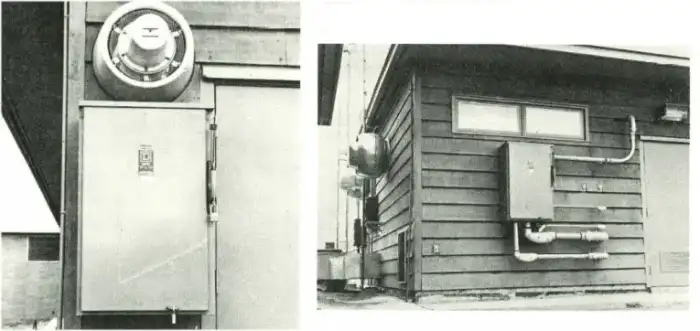
When purchasing land for an off-grid homestead, search for "Unincorporated" territory without adopted municipal property maintenance codes. Unzoned rural counties allow lawful electrical self-sufficiency without requiring a certificate of occupancy linked to an active power grid bill.
National Electrical Code (NEC) Article 710: Stand-Alone Systems Explained
When an electrical inspector assesses an off-grid solar installation, they evaluate the system against the National Electrical Code (NFPA 70 / NEC). Most solar contractors are intimately familiar with NEC Article 690, which governs standard photovoltaic systems. However, an off-grid installation is primarily governed by NEC Article 710: Stand-Alone Systems and NEC Article 706: Energy Storage Systems (ESS). From a strict electrical engineering perspective, determining whether is off grid solar legal for your installation requires demonstrating full compliance with NEC Article 710.
Meeting NEC Article 710 requirements is mandatory for passing electrical rough-in and final inspections. The primary engineering mandates include:
1. Inverter Capacity & Single Largest Load Sizing (NEC 710.15)
Under NEC 710.15(A), stand-alone power sources must have adequate capacity to supply the electrical loads connected to the system. Crucially, the code dictates that the inverter output rating “shall not be less than the sum of the continuous loads and the rating of the largest single load connected to the system.”
If your cabin includes a 240V well pump drawing 3,500 startup surge watts, a 2,000-watt inverter will fail code inspection even if your daily average consumption is modest. For sizing guidelines on heavy inductive loads, see our comprehensive analysis on powering a deep well pump with off-grid solar.
2. Single 120-Volt Supply Limits (NEC 710.15(C))
Many small off-grid cabins utilize 120-volt single-phase inverters rather than 120/240V split-phase inverters. NEC 710.15(C) permits a stand-alone 120-volt inverter to supply a 120/240-volt distribution panelboard under two strict conditions:
- No 240-volt branch circuits or multiwire branch circuits sharing a common neutral may be connected to the panelboard.
- A permanent, prominent warning plaque must be installed on the panelboard stating: WARNING: SINGLE 120-VOLT SUPPLY. DO NOT CONNECT MULTIWIRE BRANCH CIRCUITS! Failure to heed this causes dangerous neutral conductor overloading, as neutral currents sum rather than cancel.
3. Dedicated Disconnect Switches & Overcurrent Protection
NEC Article 706 and Article 710 mandate that every energy storage battery bank must feature an accessible, external, lockable DC disconnect switch located within sight of the battery bank. Furthermore, high-capacity lithium battery banks capable of delivering thousands of short-circuit amperes must be protected by an overcurrent protective device with sufficient Ampere Interrupting Capacity (AIC), such as a Class T fuse. For complete wiring formulas, review our technical guide on solar battery fuse sizing.
4. Rapid Shutdown Compliance (NEC 690.12)
If your solar panels are mounted on the roof of a habitable dwelling, NEC 690.12 mandates a rapid shutdown system capable of reducing array conductors to 30 volts or less within 30 seconds of initiation. Ground-mounted arrays outside the building perimeter are generally exempt from rapid shutdown, making ground mounts the preferred choice for rural off-grid homesteaders.
The 4 Regulatory Tiers of Off-Grid Legality Across the United States
While each county retains statutory discretion, evaluating how is off grid solar legal across varying regional jurisdictions reveals four distinct regulatory tiers:
Rural County Opt-Out States
Examples: Alaska, Missouri (rural Ozarks), West Virginia, Texas (unincorporated west/east), Wyoming, Idaho, Maine (Unorganized Territory).
State laws permit rural counties to opt out of building codes. Zero municipal hookup mandates outside city limits. Only basic state septic or electrical safety inspections apply.
Strict Building Code States
Examples: California, Colorado, Oregon, Washington, North Carolina, Arizona, New Mexico.
Off-grid solar is legal throughout rural zones, but requires full engineering plan submissions, Title 24/energy code compliance, certified septic, and strict wildfire/structural inspections.
Mandatory Interconnection States
Examples: New Jersey, Connecticut, Massachusetts, Rhode Island, Pennsylvania (urban/suburban townships).
High population density and municipal coverage make grid disconnection nearly impossible for primary dwellings. Solar is welcome, but grid tie-in is mandated for occupancy.
Water & Wastewater Gateways
Examples: Nevada (water basin rights), Florida (coastal/wetland sanitary rules), Vermont (Act 250), Hawaii (catchment & volcanic zones).
Solar power is legal, but strict state environmental covenants regarding well drilling rights, seasonal high water tables, and wastewater discharge restrict off-grid occupancy.
Master 50-State Legal Breakdown: Codes, Statutes & Disconnection Rules
The following comprehensive directory details the legal status, primary statutes, model building codes, utility disconnection feasibility, and verified off-grid friendly counties across all 50 states:
| State | Legality Status & Tier | Governing Statutes & Building Codes | Utility Disconnection Feasibility | Legal Counties / Havens | Key Gotchas & Restrictions |
|---|---|---|---|---|---|
| Alabama | Tier 1: Permissive | Code of Alabama Title 41 Ch 9; ADPH Rule 420-3-1 (Onsite Sewage). | Fully feasible in unincorporated areas outside town limits. | Cleburne, Randolph, Winston counties. | Alabama Power monthly solar backup fee ($5.41/kW) applies if grid-tied. |
| Alaska | Tier 1: Permissive | Alaska Statute § 18.56.300; Unorganized Borough jurisdiction. | 100% legal; thousands of homes entirely autonomous. | Kenai Peninsula, Mat-Su, Southeast Unorganized Borough. | Extreme winter solar deficit requires pairing with generator or wind. |
| Arizona | Tier 2: Conditional | ARS § 33-1816 (Solar Rights); ARS Title 11 Ch 6; Cochise Ord. 16-01. | Legal in rural counties; owner-builder opt-outs permitted. | Cochise County (opt-out), Apache, Navajo counties. | ADEQ septic permit mandatory; extreme summer cooling loads. |
| Arkansas | Tier 1: Permissive | Ark. Code Ann. § 14-56-401; Arkansas Dept of Health Act 402. | High feasibility outside municipal city limits. | Newton, Madison, Searcy (Ozark region). | Perc test for septic mandatory prior to home construction. |
| California | Tier 2: Conditional | CCR Title 24; CA Civil Code § 714; Title 24 Part 6 Energy Code. | Legal in rural counties; permitted stand-alone systems allowed. | Humboldt, Mendocino, Trinity, Siskiyou. | Title 24 mandates solar on new builds; strict wildland fire clearing. |
| Colorado | Tier 2: Conditional | CRS § 37-92-602 (Water Rights); CRS § 38-30-168 (Solar Rights). | Legal on parcels ≥35 acres with exempt domestic well permits. | Costilla, Saguache, Custer, Huerfano counties. | Severe water rights restrictions; minimum dwelling square footage codes. |
| Connecticut | Tier 3: Strict | 2022/2026 CT State Building Code (CSBC); IPMC § 604.2. | Prohibited for primary dwellings in almost all towns. | None for primary dwellings; seasonal cabins only. | Local housing codes mandate active utility meter for Certificate of Occupancy. |
| Delaware | Tier 3: Strict | DE State Fire Prevention Regulations; County Health Codes. | Very difficult; grid connection enforced for residential occupancy. | Rural Sussex County (limited conditional use). | High water table requires engineered sand mound septic systems. |
| Florida | Tier 4: Environmental | FL Stat. § 163.04 (Solar Rights); Florida Building Code (FBC). | Banned in incorporated cities (IPMC 604.2); legal in rural acreage. | Levy, Dixie, Gilchrist, Suwannee counties. | Municipal utility hookup laws (Cape Coral precedent); hurricane wind codes. |
| Georgia | Tier 1: Permissive | O.C.G.A. § 8-2-20 (Uniform Construction Codes); County Health. | Feasible in unincorporated rural agricultural parcels. | Fannin, Gilmer, Union (North GA mountains). | County Board of Health septic permit required prior to electrical meter. |
| Hawaii | Tier 4: Environmental | HRS § 196-7; Hawaii County Building Code Ch 5. | Extremely common on Big Island; rainwater catchment routine. | Hawaii County (Puna, Ka’u, Ocean View districts). | Lava zones (Zone 1 & 2) limit homeowner insurance availability. |
| Idaho | Tier 1: Permissive | Idaho Code § 39-4116; IDEQ Subsurface Wastewater Rules. | High feasibility; rural counties support self-reliance. | Idaho County, Clearwater, Boundary counties. | Cold winter solar insolation requires supplemental generation. |
| Illinois | Tier 3: Strict | 71 Ill. Adm. Code 600 (Energy Code); Local Municipal Codes. | Prohibited in Chicago/Cook/suburbs; allowed in Southern IL. | Pope, Hardin, Johnson (Shawnee National Forest region). | Northern and central counties enforce strict utility connection mandates. |
| Indiana | Tier 2: Conditional | 675 IAC (Fire & Building Safety Commission); ISDH Rule 410. | Allowed in unincorporated agricultural zoning districts. | Crawford, Orange, Brown counties. | Local drainage board approvals and strict septic setback distances. |
| Iowa | Tier 2: Conditional | Iowa Code § 103A.10; Iowa Administrative Code 567 (DNR). | Permitted on rural agricultural homesteads. | Van Buren, Davis, Decatur counties. | County Board of Supervisors controls local sanitation enforcement. |
| Kansas | Tier 1: Permissive | K.S.A. § 12-741; KDHE Bureau of Water Sanitation Codes. | High feasibility; unzoned western counties have no building departments. | Gove, Wallace, Trego, Chautauqua counties. | High sustained wind requires reinforced ground-mount racking engineering. |
| Kentucky | Tier 1: Permissive | 815 KAR 7:120 (Kentucky Building Code); Cabinet for Health & Family. | Feasible in rural eastern/western hill country. | McCreary, Wolfe, Jackson, Menifee counties. | State electrical inspection required even when local building codes absent. |
| Louisiana | Tier 2: Conditional | La. R.S. 40:1730.21; Louisiana Dept of Health Title 51 (Public Health). | Feasible for rural camps, homesteads, and bayou parcels. | Vernon, Beauregard, Winn parishes. | Elevated flood plain requirements and mechanical aerator septic mandates. |
| Maine | Tier 1: Permissive | 10 M.R.S. § 9724 (MUBEC exemption under 4,000 residents); LUPC. | Fully legal; composting toilets legally codified for off-grid. | Piscataquis, Somerset, Aroostook, Unorganized Territories. | Winter snow shedding requires steep panel tilt (50° to 60°). |
| Maryland | Tier 3: Strict | COMAR 09.12.01 (MD Building Performance Standards); MDE. | Severely restricted in central corridor; allowed in far west. | Garrett, Allegany counties (mountain areas). | Chesapeake Bay Critical Area Act heavily restricts land disturbance. |
| Massachusetts | Tier 3: Strict | 780 CMR (MA Building Code); 105 CMR 410 (State Sanitary Code). | Prohibited for year-round primary residential occupancy. | Berkshires (strictly seasonal recreational camps only). | State Sanitary Code mandates continuous utility power for habitability. |
| Michigan | Tier 2: Conditional | Michigan Residential Code (MRC); EGLE Part 41 Wastewater. | Legal in Upper Peninsula and northern rural Lower Peninsula. | Marquette, Iron, Ontonagon, Luce (Upper Peninsula). | Heavy lake-effect snow loads require certified structural engineering. |
| Minnesota | Tier 2: Conditional | MN Rule Ch 1300; MPCA Chapter 7080 Subsurface Sewage. | Permitted in northern forested counties with recreational zoning. | St. Louis, Lake, Pine, Koochiching counties. | Sub-zero winter battery freezing mandates climate-controlled battery rooms. |
| Mississippi | Tier 1: Permissive | Miss. Code Ann. § 17-1-1; Mississippi State Dept of Health. | Over 50 counties have no local building codes or inspectors. | Tishomingo, Yalobusha, Amite, Franklin counties. | State Health Department septic inspection still legally required. |
| Missouri | Tier 1: Permissive | RSMo § 64.170 & § 64.205; RSMo § 701.025 (On-Site Sewage). | One of the top off-grid havens in North America; zero building codes in Ozarks. | Texas, Shannon, Howell, Douglas, Ozark counties. | Properties over 3 acres exempt from state septic inspections under RSMo 701. |
| Montana | Tier 1: Permissive | MCA Title 50 Ch 60; MT DEQ Circular 4 (Subsurface Wastewater). | Exempt outside incorporated municipalities and county zoning districts. | Flathead, Sanders, Ravalli (outside municipal buffers). | DEQ sanitation approval required prior to parcel subdivision. |
| Nebraska | Tier 1: Permissive | Neb. Rev. Stat. § 71-6403; NDEE Title 124 (Wastewater). | Feasible across rural Sandhills and agricultural parcels. | Cherry, Custer, Holt, Keya Paha counties. | Agricultural exemptions apply to farm buildings, but homes need septic. |
| Nevada | Tier 4: Environmental | NRS § 278.580; Nevada Division of Water Resources (NDWR). | Legal in rural desert valleys, but severely bottlenecked by water rights. | Nye (Pahrump outskirts), Elko, White Pine counties. | Water basin curtailments prohibit domestic well drilling in many basins. |
| New Hampshire | Tier 1: Permissive | RSA 155-A (NH Building Code); NH DES Subsurface Systems Bureau. | Feasible in North Country unincorporated townships. | Coos County (Dixville, Millsfield, Erving’s Location). | Town-by-town zoning variances govern grid disconnection permits. |
| New Jersey | Tier 3: Strict | NJ UCC (N.J.A.C. 5:23); NJDEP Pinelands Commission Regulations. | Practically impossible; every acre falls under municipal code enforcement. | None for primary dwellings; strictly prohibited. | Mandatory electric utility hookup enforced for Certificate of Occupancy. |
| New Mexico | Tier 1: Permissive | NMAC Title 14 (Building Codes); NMSA § 3-18-32 (Solar Rights). | World epicenter of Earthship and autonomous building architecture. | Taos, Catron, Luna, Sierra, Torrance counties. | Construction Industries Division (CID) electrical permits still required. |
| New York | Tier 3: Strict | 19 NYCRR (NYS Uniform Code); Adirondack Park Agency (APA) Act. | Strictly enforced in cities/suburbs; allowed on large Adirondack acreage. | St. Lawrence, Franklin, Essex (Adirondack backcountry). | APA environmental permits regulate clearing, wetlands, and elevation. |
| North Carolina | Tier 2: Conditional | NC State Building Code: Residential; NC General Statutes § 143-138. | Permitted if approved alternative heat and power plans are engineered. | Ashe, Watauga, Jackson, Cherokee (Blue Ridge Mountains). | County sanitarians strictly test soil perc rates for septic drainfields. |
| North Dakota | Tier 1: Permissive | ND Century Code § 54-21.3; State Plumbing Board Rules. | Unorganized townships have zero building departments. | Billings, Slope, Dunn, Bowman counties. | Sub-zero blizzard conditions require rugged ground racking and generator backup. |
| Ohio | Tier 2: Conditional | ORC § 3781.06; Ohio Administrative Code 3701-29 (Septic). | Permitted in unincorporated rural Appalachian townships. | Vinton, Meigs, Athens, Monroe counties. | Township zoning trustees may enforce minimum foundation and setbacks. |
| Oklahoma | Tier 1: Permissive | OK Statutes Title 74 § 324.11; ODEQ Title 252 (Wastewater). | High feasibility; rural unincorporated land has no building codes. | Pushmataha, McCurtain, Latimer (Ouachita Mountains). | Tornado storm anchor engineering recommended for ground arrays. |
| Oregon | Tier 2: Conditional | Oregon Residential Specialty Code (ORSC); ORS Ch 197 (Land Use). | Allowed on rural acreage, but severely constrained by zoning laws. | Klamath, Lake, Harney, Grant counties. | Senate Bill 100 Exclusive Farm Use (EFU) restricts building homes on raw land. |
| Pennsylvania | Tier 2: Conditional | PA UCC (Act 45 of 1999); PA DEP Title 25 Ch 73 (Sewage Disposal). | Feasible in Northern Tier “opt-out” rural townships. | Potter, Tioga, Cameron, Sullivan counties. | Townships that opted out of UCC still enforce state sewage enforcement officers. |
| Rhode Island | Tier 3: Strict | RI State Building Code (SBC-2); DEM Wastewater Regulations. | Prohibited for primary residential dwellings across all 39 towns. | None for primary dwellings. | Mandatory grid tie-in enforced under municipal property fitness codes. |
| South Carolina | Tier 2: Conditional | SC Code Ann. § 6-9-10; SC DHEC Regulation 61-56 (Sewage). | Feasible in rural Piedmont and Upstate agricultural areas. | Oconee, Pickens, Abbeville, McCormick counties. | County building inspectors require full mechanical/electrical rough-in review. |
| South Dakota | Tier 1: Permissive | SDCL § 11-10; SD DANR Article 74:53 (On-Site Wastewater). | High feasibility outside municipal zoning boundaries. | Custer, Fall River, Harding, Perkins counties. | Rapid temperature fluctuations require cold-temp battery protection. |
| Tennessee | Tier 1: Permissive | TCA § 68-120-101; TDEC Division of Water Resources. | Dozens of counties opted out of state residential building codes. | Fentress, Wayne, Grundy, Overton (Cumberland Plateau). | TDEC septic permit required; state electrical inspection required. |
| Texas | Tier 1: Permissive | TX Local Gov. Code § 232.0015; TX Property Code § 202.010; TCEQ 30 TAC 285. | Counties have no statutory zoning power in unincorporated areas. | Brewster, Presidio, Hudspeth, Terlingua, East TX piney woods. | Must stay outside city ETJ; TCEQ septic permit mandatory. |
| Utah | Tier 2: Conditional | Utah Code Title 15A (Construction Codes); Division of Water Rights. | Feasible on rural agricultural acreage. | San Juan, Duchesne, Beaver, Iron counties. | Strict domestic water share ownership required before building permit issued. |
| Vermont | Tier 4: Environmental | 26 V.S.A. Ch 15; VT Residential Building Energy Standards (RBES); Act 250. | Allowed on rural land, but heavily constrained by environmental statutes. | Essex, Caledonia, Orleans (Northeast Kingdom). | Strict state potable water and wastewater permits; energy code compliance. |
| Virginia | Tier 2: Conditional | Virginia Uniform Statewide Building Code (VUSBC); VDH 12VAC5-610. | Feasible in Appalachian mountain counties. | Lee, Scott, Wise, Dickenson, Highland counties. | Statewide building code applies, but rural inspectors accommodate off-grid plans. |
| Washington | Tier 2: Conditional | RCW 19.27 (State Building Code); RCW 64.38.055; WSEC Energy Code. | Feasible in Eastern Washington rural counties. | Ferry, Stevens, Okanogan, Pend Oreille counties. | Strict energy code (WSEC) mandates high insulation R-values; well water metering. |
| West Virginia | Tier 1: Permissive | WV Code § 29-3-5b (County Code Opt-Out); Bureau for Public Health. | Over 20 rural counties have opted out of state building codes. | Hampshire, Hardy, Pocahontas, Pendleton, Webster counties. | State electrical inspection and county health septic permit mandatory. |
| Wisconsin | Tier 2: Conditional | Wis. Admin. Code SPS 320-325 (Uniform Dwelling Code); DSPS 383. | Feasible in northern rural townships. | Bayfield, Ashland, Sawyer, Price counties. | Townships under 2,500 population retain local building inspection discretion. |
| Wyoming | Tier 1: Permissive | Wyo. Stat. § 35-9-121; WY DEQ Chapter 25 (Small Wastewater). | High feasibility; unincorporated lands outside cities have no county codes. | Carbon, Fremont, Sublette, Weston counties. | Severe sub-zero winter temperatures require insulated battery storage bunkers. |
The Septic & Blackwater Trap: Why Off-Grid Homes Get Condemned
In a substantial majority of municipal enforcement actions where local authorities cite off-grid dwellings or evict homesteaders, the enforcement action has nothing to do with solar panels, inverters, or battery banks. While aspiring homesteaders repeatedly ask is off grid solar legal, county sanitarians and code enforcement officers are almost entirely focused on unpermitted wastewater disposal.
⚠️ The On-Site Sewage Facility (OSSF) Reality
Every state health department classifies human waste as a biohazardous public health threat under state water pollution statutes. Dumping blackwater into unlined pit privies, running greywater directly onto the ground, or installing an unpermitted DIY septic tank is an immediate violation of state administrative law. Health officers possess statutory summary authority to red-tag dwellings and issue mandatory eviction orders without a jury trial.
Many off-grid enthusiasts assume installing a waterless composting toilet exempts them from septic regulations. While certified composting toilets (such as those adhering to NSF/ANSI Standard 41) are legally recognized in forward-thinking states like Maine, Washington, and Oregon, the vast majority of county health departments still require an approved On-Site Sewage Facility (OSSF) for greywater discharge from kitchen sinks and showers.
Before pouring concrete, clearing land, or purchasing solar panels:
- Hire a licensed soil scientist or professional engineer to perform a certified soil perc (percolation) test on your parcel.
- Submit an engineered septic plan (conventional gravity drainfield, aerobic treatment unit, or engineered mound) to the county environmental health department.
- Secure your written OSSF installation permit before applying for electrical or residential building permits.
Solar Rights Acts vs. Homeowners Associations (HOAs): What Can They Block?
Approximately 25 states have enacted statutory “Solar Rights Acts” designed to prevent Homeowners Associations (HOAs) and architectural review committees from banning renewable energy systems. Prominent examples include:
- California Civil Code § 714: Outlaws any covenant, restriction, or deed condition that effectively prohibits or restricts the installation or use of a solar energy system.
- Texas Property Code § 202.010: Forbids HOAs from banning solar panels unless the system is located on common property or violates specific roof-line height restrictions.
- Florida Statutes § 163.04: Declares any deed restriction or covenant prohibiting solar collectors or clotheslines to be completely void and unenforceable.
However, homesteaders frequently misunderstand the scope of these statutes: Solar Rights Acts protect solar energy devices; they do NOT protect your right to disconnect from the municipal electrical grid.
Furthermore, HOAs possess legal authority to enforce restrictive covenants governing exterior aesthetics and secondary equipment:
- HOAs can legally prohibit ground-mounted solar arrays if they are visible from the street or exceed backyard fence heights.
- HOAs can restrict detached battery storage sheds, exterior conduit runs, and exterior disconnect enclosures.
- HOAs can strictly prohibit backup diesel or propane generators based on community decibel noise ordinances.
- Most critically, deed covenants can legally require every residence within the subdivision to maintain active, metered utility service with the local electric cooperative or power company.
If your property is bound by an HOA or deed-restricted covenants, going off-grid is legally impossible in virtually all subdivisions without facing injunctions, daily covenant fines, and property liens. True off-grid solar freedom requires unencumbered land with zero HOA covenants.
Step-by-Step Blueprint: How to Legally Permit an Off-Grid Solar Installation
If you are building in a jurisdiction that enforces building codes, securing the necessary approvals to verify that your system is off grid solar legal requires a disciplined, multi-agency roadmap:
The 6-Phase Legal Permitting Roadmap
- Phase 1: Pre-Acquisition Zoning & ETJ Due Diligence: Check county GIS maps to confirm the property lies entirely outside municipal boundaries and Extraterritorial Jurisdictions (ETJ). Verify that deed documents contain zero restrictive covenants or utility connection easements.
- Phase 2: Environmental Health & Septic Permitting: Obtain your certified perc test and secure an approved OSSF septic permit from the county health sanitarian before submitting electrical plans.
- Phase 3: Engineered Electrical Line Diagram (One-Line): Create a comprehensive electrical schematic showing photovoltaic array string voltages (Voc corrected for record low temperatures), DC charge controller ampacity, overcurrent fuse ratings, UL 1741-certified inverter specifications, battery bank chemistry, and NEC 710 disconnect locations.
- Phase 4: Structural Engineering Review: For rooftop arrays, provide stamped structural engineering calculations proving roof rafters can support the dead load of solar modules plus local 50-year snow and wind design pressures. Ground mounts require stamped foundation depth plans.
- Phase 5: Rough-In Inspection: After running conduit, mounting disconnect boxes, and establishing grounding electrode conductors (NEC 250 ground rods and bonding), schedule your electrical rough-in inspection before closing interior drywall.
- Phase 6: Final Commissioning & Certificate of Occupancy (CO): The inspector verifies rapid shutdown functionality (NEC 690.12), warning placard placements, continuous inverter output rating per NEC 710.15, and working sanitary plumbing before signing off on the final CO.
📐 Size Your Off-Grid System to Meet NEC 710 Capacity Mandates
Meeting NEC 710.15 continuous supply requirements demands precise calculation of your daily kilowatt-hour consumption, peak surge loads, and regional solar insolation. Never estimate your array wattage based on guesswork.
Use our engineering-grade Off-Grid Solar & Battery Sizing Calculator to model your seasonal autonomy, check regional solar resources using our 50-state peak sun hours directory, or stress-test your system architecture in our interactive Solar Lab Simulator.
- Verify county land-use classification (Agricultural, Rural Residential, or Unincorporated / No Zoning).
- Check municipal building codes for mandatory grid interconnection clauses (International Property Maintenance Code Section 604.1).
- Obtain approved private onsite sewage disposal permit (Percolation test / Septic permit or state-certified composting system).
- Submit engineered single-line electrical diagram to local building department adhering to NEC Articles 690 and 706.
- Request written confirmation of standalone electrical compliance before disconnecting or pulling existing utility meter heads.
Frequently Asked Questions (FAQ)
Is it illegal to disconnect from the electric grid in California?
No, disconnecting from the electric grid is not illegal statewide in California. However, California Building Standards Code (Title 24) enforces rigorous energy efficiency, solar photovoltaic mandates, and battery storage rules. While incorporated municipalities like Los Angeles or San Francisco mandate continuous utility connection under property maintenance codes, rural Northern California counties (such as Humboldt, Mendocino, and Trinity) routinely permit fully autonomous, off-grid homes that meet Title 24 engineering, fire clearance, and septic standards.
Can an electric utility company force you to stay connected to their power lines?
An electric utility company cannot physically force you to purchase their electricity. However, if your property is located within an incorporated city or a subdivision governed by mandatory utility franchise agreements, the municipality enforces the connection requirement via building codes and Certificates of Occupancy. If you sever the connection, the city—not the electric company—will red-tag the structure as unfit for human habitation. In unincorporated rural areas without mandatory utility covenants, you can legally decline or terminate utility service.
Can you live off-grid on raw rural land without building permits?
You can only live without building permits in designated “no-code” or “code-exempt” rural counties that have formally opted out of state building codes (such as specific counties in Missouri, West Virginia, Texas, and Alaska). However, even in code-exempt counties, two regulations almost always remain legally binding: state environmental health septic regulations (prohibiting raw sewage discharge) and state electrical safety inspections. Always verify local county opt-out ordinances prior to purchasing land.
Do ground-mounted solar panels require a building permit?
Yes, in jurisdictions that enforce the International Building Code (IBC) or International Residential Code (IRC), ground-mounted solar panels require both a structural building permit (for post embedment depth, concrete footings, and wind uplift resistance) and an electrical permit (for trenching depth, conduit fill, wire ampacity, and disconnect switches). In unincorporated code-exempt counties, structural permits are often waived, though electrical safety inspections may still apply.
What is the cheapest state for legal off-grid homesteading?
The most affordable and legally accommodating states for off-grid living in 2026 are Missouri (specifically Ozark counties like Texas, Shannon, and Douglas, which have zero building codes and reasonable land costs), West Virginia (rural opt-out counties), and parts of East and West Texas (unincorporated land outside municipal ETJs). These regions combine low property taxes, absence of restrictive municipal utility mandates, and accessible acreage. For complete system budgeting, consult our guide on off-grid solar system sizing & budget planning.