Solar Calculation Engine: Preliminary sizing estimates for solar panel arrays, lithium (LiFePO4) battery banks, charge controllers, and pure sine wave inverters for homes, cabins, RVs, and emergency backup storage.
🔬 Engineering Methodology: This sizing model applies the mathematical Loss-of-Load Probability (LOLP) algorithm formulated by Sandia National Laboratories (Report SAND87-2379) and NREL string derating factors.
What This Calculator Sizes
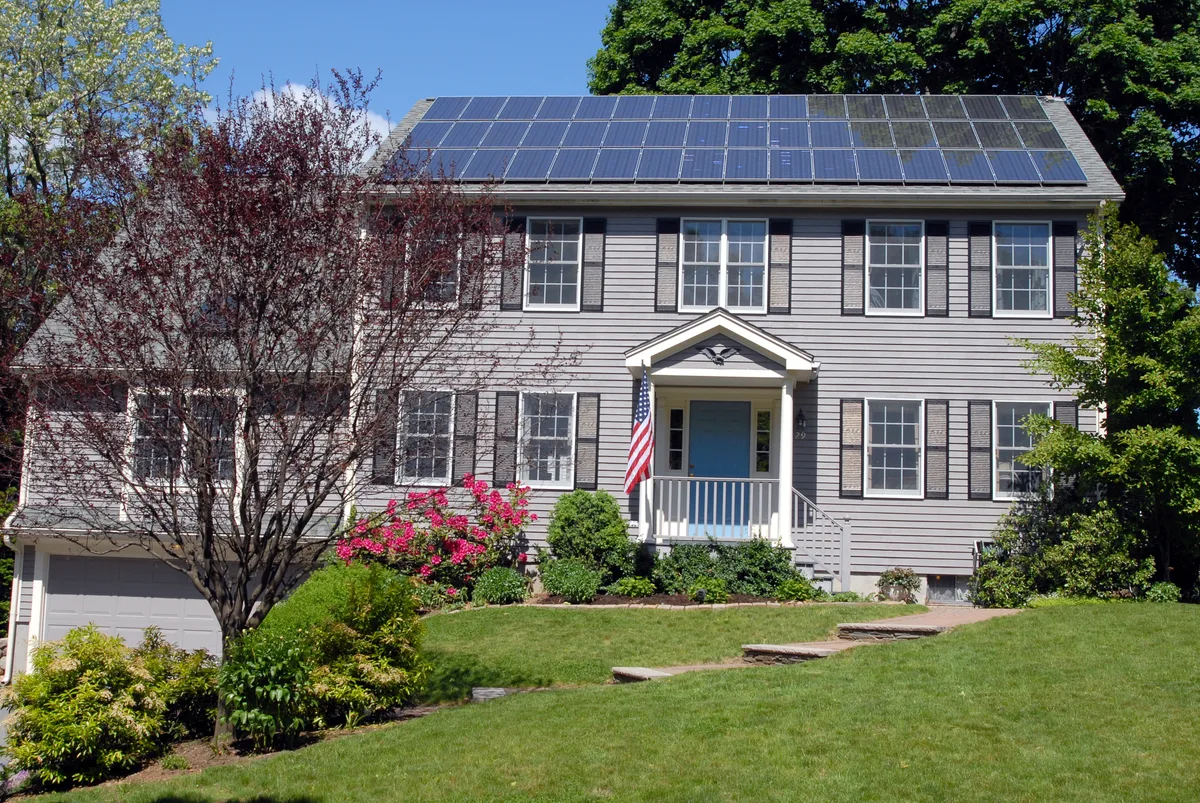
OffGridSolarCalc estimates hardware requirements for off-grid homes, cabins, RVs, and emergency backup storage based on your geographic location and appliance profile:
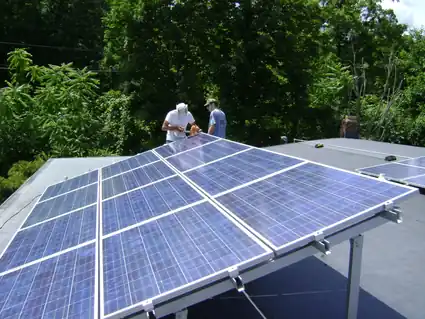
Solar Array Estimate: A preliminary estimate based on available location and seasonal solar data and stated assumptions.
Battery Capacity Baseline: Uses daily energy, autonomy days, and a chemistry-based DoD assumption; it excludes conversion losses and product-specific corrections.
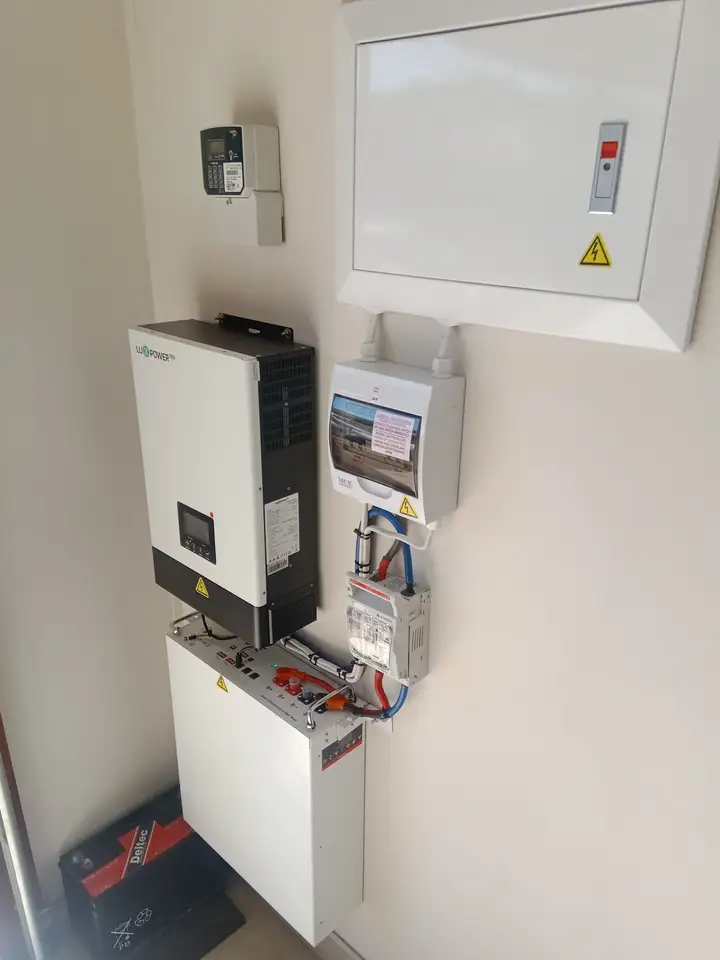
Inverter sizing: Not estimated from daily energy use. Enter simultaneous running watts and equipment startup data, then verify ratings and compatibility in the equipment documentation before selecting an inverter.
Cost & Payback: Illustrative estimates based on generic assumptions, not current supplier quotes or a project-specific proposal.
Step-by-Step Calculator Inputs
Location: Enter your city or latitude/longitude to look up available peak sun hours (PSH) data.
Appliance Profile: Select your lighting, refrigeration, cooking, entertainment, well pump, and heating/cooling loads.
Battery Autonomy: Choose how many consecutive sunless days of emergency battery power you require.
System Voltage: Select 12V, 24V, or 48V based on your daily energy demand.
Basic Manual Sizing Formula
If you need a rough quick estimate right now:
Daily Energy Demand (Wh): Sum the wattage of each appliance multiplied by the hours it runs each day.
Required Solar Array (Watts): Divide daily Watt-hours by local Peak Sun Hours and an explicit system-efficiency assumption. Use seasonal data and losses appropriate to the site; there is no universal PSH or derating value.
Battery Capacity (kWh): The calculator's baseline is daily energy multiplied by autonomy days, divided by the selected usable depth of discharge. It does not include conversion losses or product-specific corrections.
Your results are starting points for planning, not a finished system design. Daily energy use, seasonal solar availability, battery backup days, and equipment limits all shape the estimate; accurate appliance data and a realistic design season make the comparison more useful.
The calculator applies equations and assumptions described below to estimate solar-array and battery needs. It does not verify wiring, simultaneous loads, motor-start behavior, every standby load, product compatibility, or code compliance. Review the assumptions, check current manufacturer specifications, and ask a qualified local professional to assess any proposed installation.
Location-Based Solar Data
Local Code Review Required
Battery Limits Are Product-Specific
Motor Inrush Surge Analysis
Advertisement
Input Auditing
Appliance Load Profiling
Daily energy estimates use the appliance wattage and operating-time inputs. The calculator cannot identify unentered standby or parasitic loads, so include measured or manufacturer-specified consumption where applicable.
Atmospheric Physics
Location-Based Solar Data
The calculator uses available location-based solar resource data to estimate production. Data coverage and assumptions are described in the methodology; results may not represent a particular array tilt, shading, horizon, or future weather. Select a design period based on the site's seasonal resource and required reliability.
Losses Not Modeled Individually
Array Estimate Limitations
The calculator uses a fixed 1.25 array sizing multiplier, not a measured system-efficiency or loss factor. It does not separately model site, equipment, or operating losses; the annualized energy comparison is not a site-specific production assessment or a guarantee of system performance.
Core Sizing Mathematical Equations
The calculator uses the following equations to produce preliminary planning estimates. Actual component selection depends on product specifications, installation conditions, and applicable local requirements.
EQUATION 01 // LOAD AUDITDaily Energy Demand (kWh/day)
Planning note: The sum applies when appliances are selected. Otherwise the calculator uses entered daily kWh, or falls back to 12 kWh per 1,000 sq ft of home size; the estimate has a 1 kWh/day minimum. No inverter standby load is added automatically.
Assumption: This is a simplified estimate, not a monthly or worst-month energy balance. The same adjusted daily sun-hours value is annualized for the production comparison; it does not model module temperature, soiling, wiring, controller behavior, shading, or battery charge limits individually.
Depth of Discharge (DoD): The calculator uses fixed baseline assumptions of 0.90 for LiFePO4 and 0.50 for lead-acid, not universal battery limits. Check the exact product's manual, warranty, and cycle-life data. This baseline also excludes conversion losses, temperature effects, aging, and other product-specific corrections.
P_continuous: Check the simultaneous load against the inverter's continuous rating and instructions. P_surge: Check equipment-specific starting current, surge duration, and simultaneous loads against the inverter ratings.
Motor starting: Starting current and duration vary by motor and control method. Use equipment-specific data and check it against the inverter's continuous and surge ratings, including other simultaneous loads.
Illustrative DC Current Arithmetic
For a 2,000W DC load, the ideal current estimate is $I = P \div V$. These values use nominal voltage and omit inverter losses, voltage sag, and operating conditions. They are not conductor or equipment selections.
Nominal DC Voltage
Ideal Current at 2,000W DC
12 Volts
166.7 Amps
24 Volts
83.3 Amps
48 Volts
41.7 Amps
Balance-of-System Hardware Sizing Guidelines
Balance-of-system equipment must be selected for the actual products, system design, installation conditions, and applicable local requirements. The estimates on this page do not establish code compliance or installation suitability.
MPPT Charge Controller Sizing
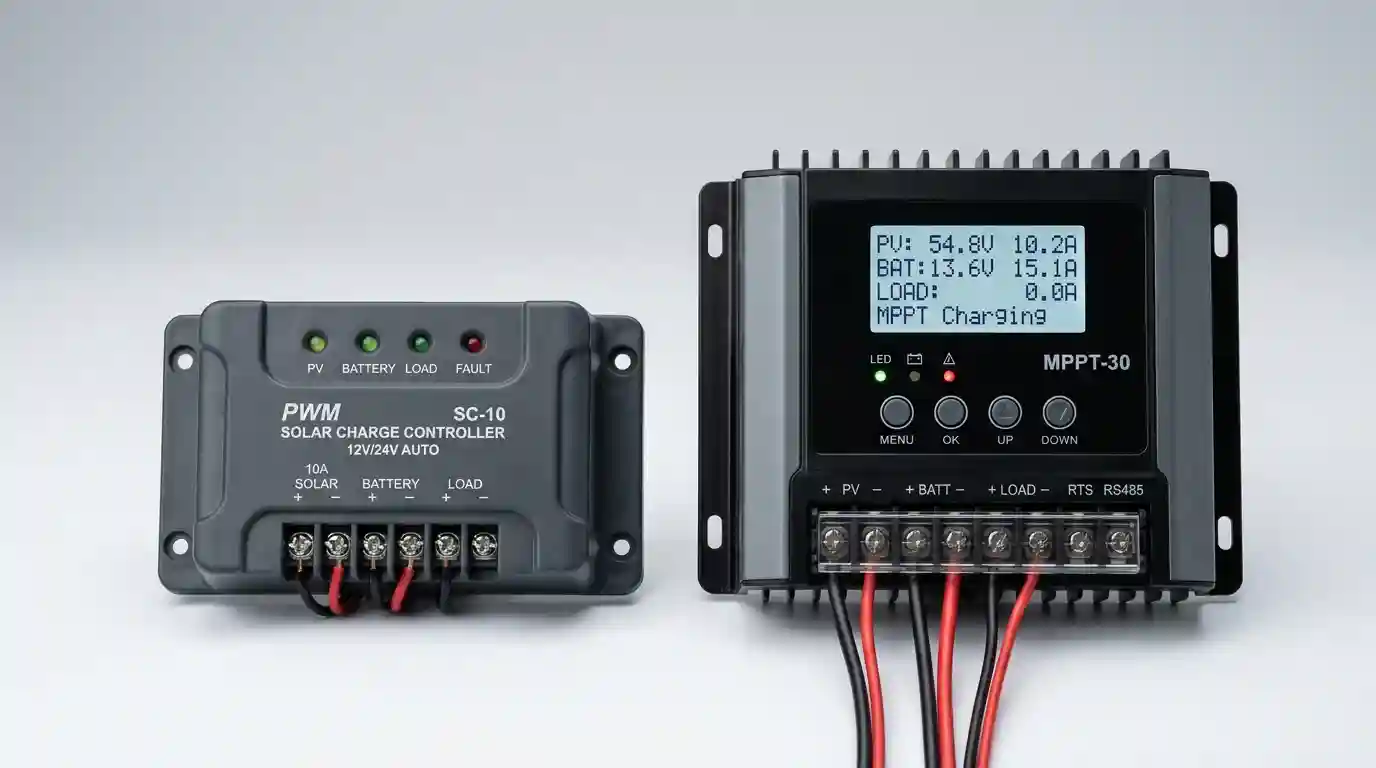
A first-pass output-current estimate may use array power and battery charging voltage. Final controller selection must use manufacturer ratings and check cold-corrected array open-circuit voltage, input power/current limits, output current, and local requirements. The calculator does not determine code compliance.
Overcurrent Protection (OCPD)
This site does not specify fuse or breaker type, rating, interrupt capacity, or placement. Selection depends on prospective fault current, DC voltage, conductor ampacity after correction, battery and BMS limits, device and equipment instructions, installation details, and applicable local requirements. Have a qualified local professional review overcurrent protection.
Conductor Voltage Drop Control
Voltage-drop calculations alone do not determine conductor size or ampacity. A complete check requires load current, one-way run length, conductor material and insulation, terminal temperature rating, installation method, ambient and grouping corrections, voltage-drop target, equipment limits, and local requirements.
Frequently Asked Questions About Solar Sizing
Common solar-planning questions:
Why can a solar-array estimate be higher than daily consumption divided by sun hours?
This calculator uses stored average sun-hours, a fixed 400 W module assumption, and a 1.25 array sizing multiplier; year-round mode applies a fixed 72% sun-hours factor. The multiplier is not a measured system-efficiency value, and the model does not separately calculate wiring, temperature, shading, or battery losses. It is not a monthly energy balance or a guarantee of reliable operation.
How does ambient temperature affect my battery storage and solar panel output?
Temperature affects module voltage and battery performance. Correct array voltage using the exact module data and site design temperatures. Battery charge and discharge limits, low-temperature protection, and capacity derating are product-specific; follow the battery and BMS documentation.
Can I oversize my solar panel array compared to my MPPT charge controller ("overpaneling")?
Some controllers permit PV array nameplate power above their battery-side output rating, but allowable array power, short-circuit current, operating current, and cold-corrected open-circuit voltage are specific to the controller, modules, and operating conditions. Do not apply a general oversizing percentage; check the exact product documentation and local requirements. Clipping behavior does not make an otherwise out-of-rating array safe.
How does the calculator determine Peak Sun Hours for my location?
The calculator uses the location-based solar data available to it. Data source, coverage, and assumptions are described in the calculation methodology; results are estimates and may not represent the exact site, tilt, shading, or future weather.
Should I size my off-grid system for winter worst-case sun hours or annual average?
Choose the design period based on location-specific seasonal production, required reliability, load profile, battery autonomy, backup sources, and cost. Worst-month sizing may be appropriate for some standalone systems, but it is not a universal rule; document the design assumptions and expected backup strategy.
Featured Engineering Guides & Technical Library
Explore our peer-reviewed technical library covering electrical wiring, battery chemistries, equipment selection, and off-grid system sizing:
PK Basnet
Educational Content Creator & Renewable Energy Researcher
Educational Content Creator & Renewable Energy Researcher
PK Basnet creates educational content about off-grid energy planning. The site explains its calculator assumptions and links to public references, but its estimates are not a substitute for product documentation or a site-specific design review.
This sizing model applies the mathematical Loss-of-Load Probability (LOLP) algorithm formulated by Sandia National Laboratories (Report SAND87-2379) and NREL string derating factors. The calculator uses stored PVGIS-ERA5 estimates for 70 city locations. The monthly values describe average daily solar energy on a horizontal surface for 2005-2023; we retrieved them on October 17, 2026. The calculator matches your location to the nearest city and averages its 12 monthly values. This is not a roof-specific or winter design. Check current monthly data for your exact location before planning a system.
100% Client-Side Private
Instant In-Browser Sizing
No Registration Required
⚡ Offline Mode: Sizing calculations and appliances work offline using standard regional solar hours. Location lookups require an active internet connection.