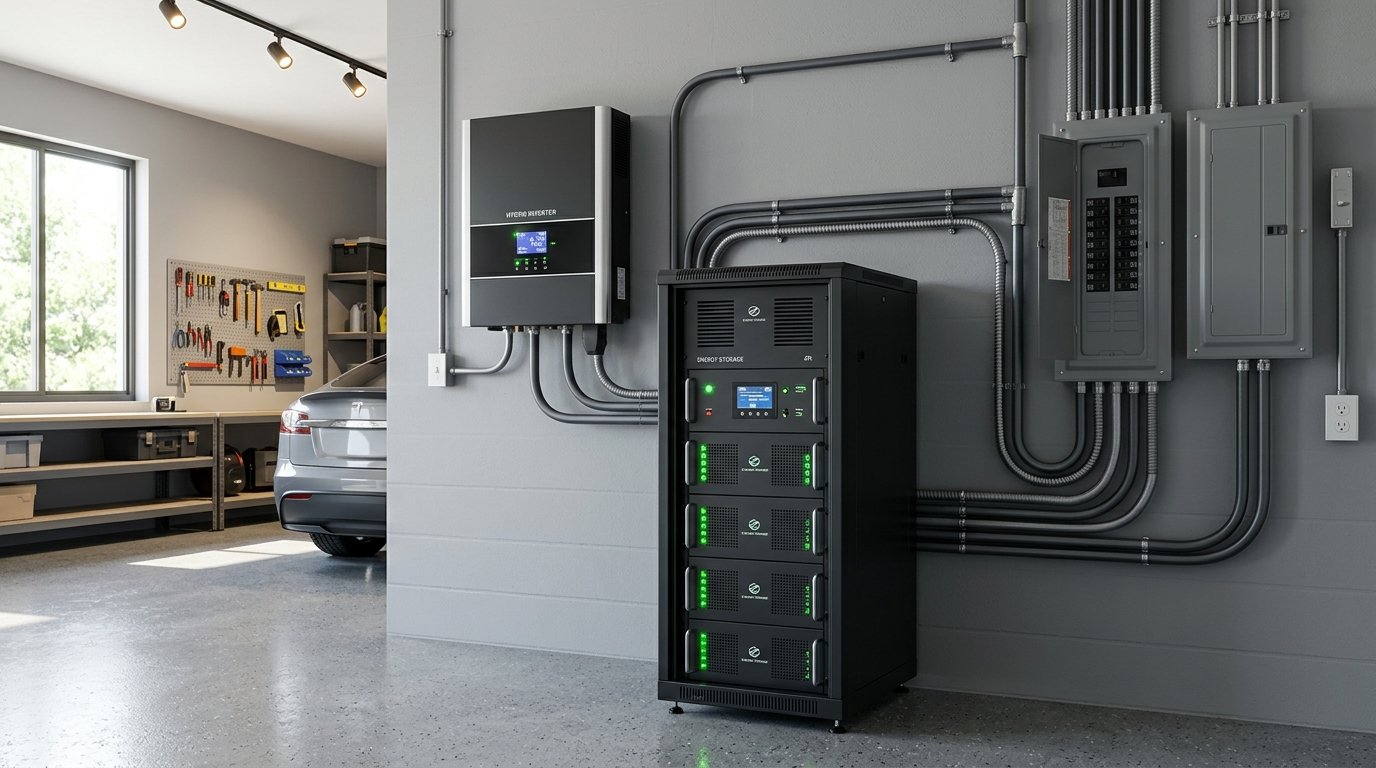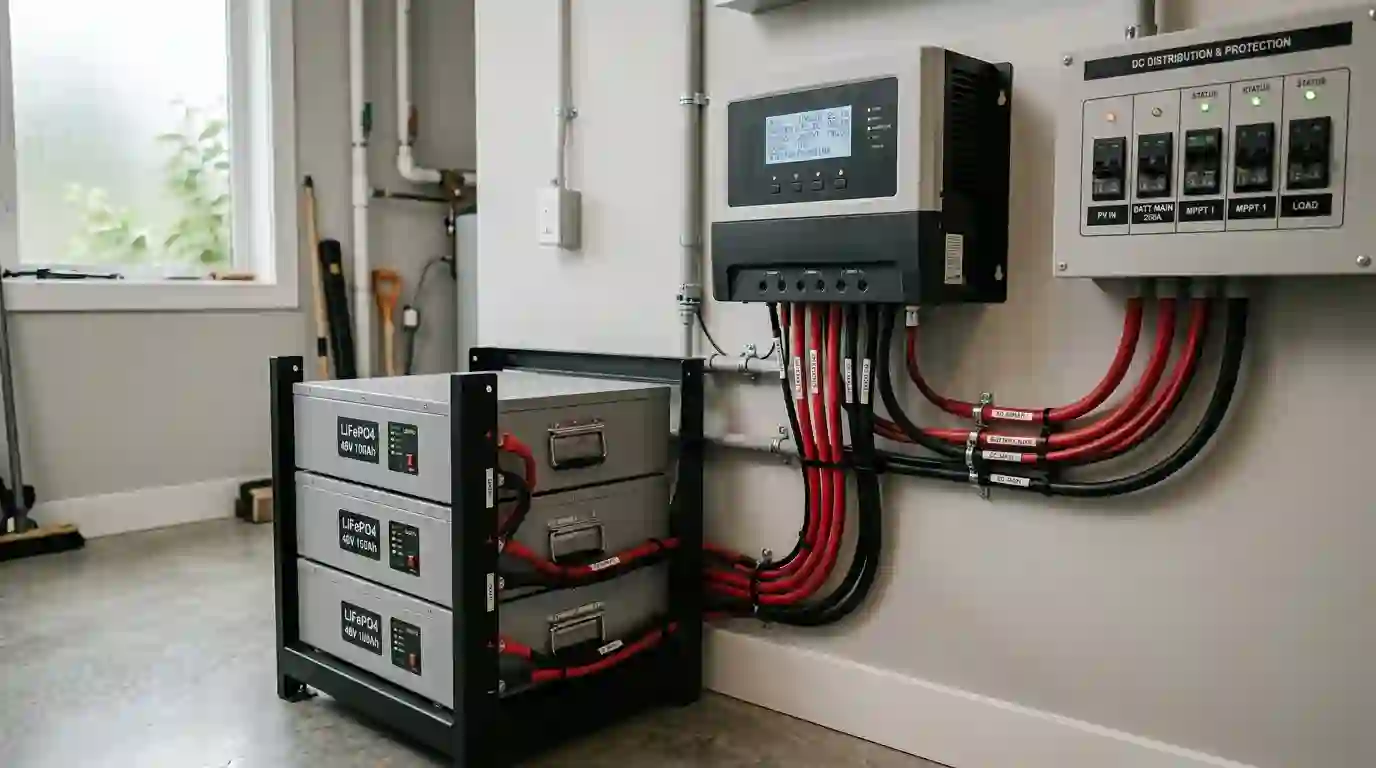
There is no single battery that is best for every off-grid system. A useful comparison starts with the loads and operating conditions, then checks the exact battery model’s usable-energy definition, current limits, temperature range, battery-management system (BMS), compatibility, warranty, and price scope.
Compare the specification, not just the chemistry label
- Capacity and test conditions: Record nominal voltage and amp-hour or watt-hour capacity for the exact model. Check the manufacturer’s discharge rate, temperature, end voltage, and other conditions behind the rating. Do not compare unlike ratings as though they were identical.
- Usable energy and cycle life: Find the manufacturer’s stated usable capacity or permitted depth of discharge (DoD), and the cycle-life test conditions, DoD, temperature, and end-of-life threshold. DoD and cycle counts are not chemistry-wide guarantees.
- Charge and discharge limits: Check maximum and recommended continuous current, any peak-current limit and duration, low-voltage cutoff behavior, and the limits of the complete bank. Amp-hours alone do not establish whether a battery can support an inverter.
- Temperature limits: Use the exact model’s permitted charge, discharge, and storage temperatures. A BMS cutoff or heater does not establish that every battery can charge or discharge at the same temperature.
- BMS and inverter compatibility: Confirm the required BMS, approved inverter or charger combinations, supported communication protocol and firmware, and manufacturer rules for series or parallel operation. CAN or RS-485 alone does not prove interoperability.
- Installation and listing: Check the exact model and configuration, installation manual, warranty, and applicable local building and fire requirements. A component-level marking does not by itself certify a complete energy-storage system.
- Whole-quote cost: Compare current written quotes for the same usable-energy scope. Separate battery, BMS, inverter, enclosure, shipping, tax, installation, and warranty terms. Do not treat a dated retail price or price-per-kWh as a current installed-system cost.
What chemistry can and cannot tell you
Chemistry narrows the questions to ask; it does not determine a universal winner. LiFePO4 products may offer different capacity, temperature, BMS, communication, and warranty limits even when their chemistry is the same. Lead-acid products also vary: flooded models require maintenance described by their manufacturer, while sealed VRLA designs have different care requirements. Compare the specific product documents and the conditions where it will be used.
Estimate storage with stated assumptions
A first-pass energy estimate can be written as: nominal battery energy ≈ (daily energy at the loads × days of autonomy) ÷ (assumed usable fraction × assumed conversion efficiency). Use energy measured or estimated for the actual loads and make clear whether it is measured on the DC or AC side.
For illustration only, 10 kWh/day for two days is 20 kWh at the loads. If an example assumes an 85% usable fraction and 90% inverter efficiency, then 20 ÷ (0.85 × 0.90) ≈ 26.1 kWh nominal. Those percentages are inputs to this arithmetic, not recommended values for a product. This estimate does not account for standby loads, temperature-related capacity changes, aging, reserve policy, charging losses, or whether a particular battery bank can supply the required power. It does not guarantee runtime or select a battery.
Check power and current separately from energy
Energy in kWh describes stored quantity; power in kW describes the rate at which energy is supplied. An inverter’s DC current depends on its AC output, conversion efficiency, and actual battery voltage. For example, 5,000 W ÷ (0.90 × 44 V) is about 126 A as idealized arithmetic. This does not establish a battery count or protection rating. Check the exact battery’s continuous and peak limits, the inverter’s operating range and surge duration, and the manufacturer’s bank rules.
Do not derive a fuse class, interrupting rating, conductor size, busbar rating, or installation location from a generic battery example. Those choices depend on the equipment, available fault current, circuit, installation, and applicable requirements; use the exact manufacturers’ instructions and current local rules.
Account for temperature and charging controls
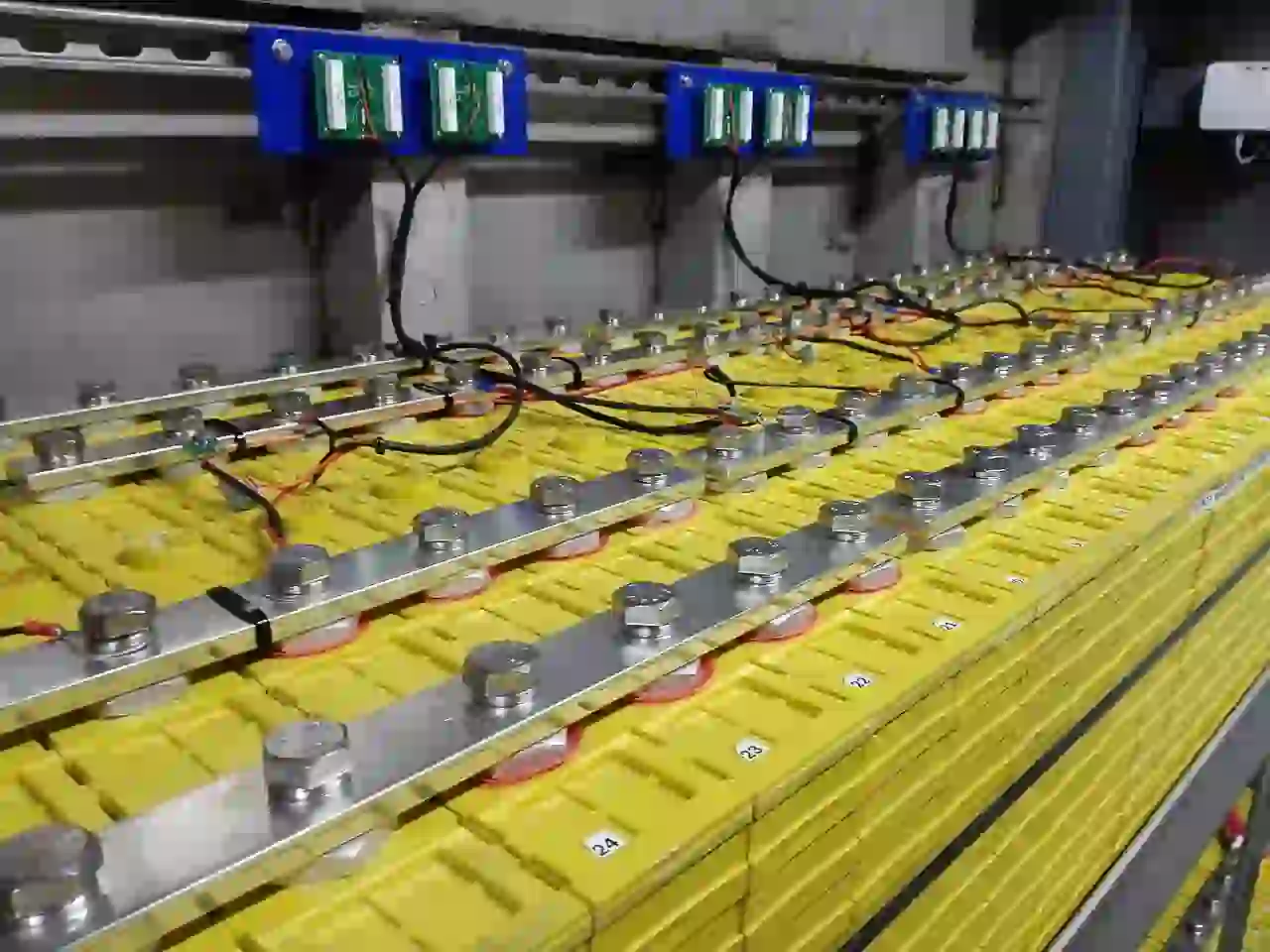
Battery operating limits are model-specific. For example, Victron’s Lithium Smart technical data specifies charging from +5°C to +50°C and discharging from -20°C to +50°C, and its product documentation describes the BMS required for that product family. Do not transfer those limits to a different battery. Check how the exact system prevents charging outside its allowed range and what happens to loads when the BMS disconnects.
Read certification claims in context
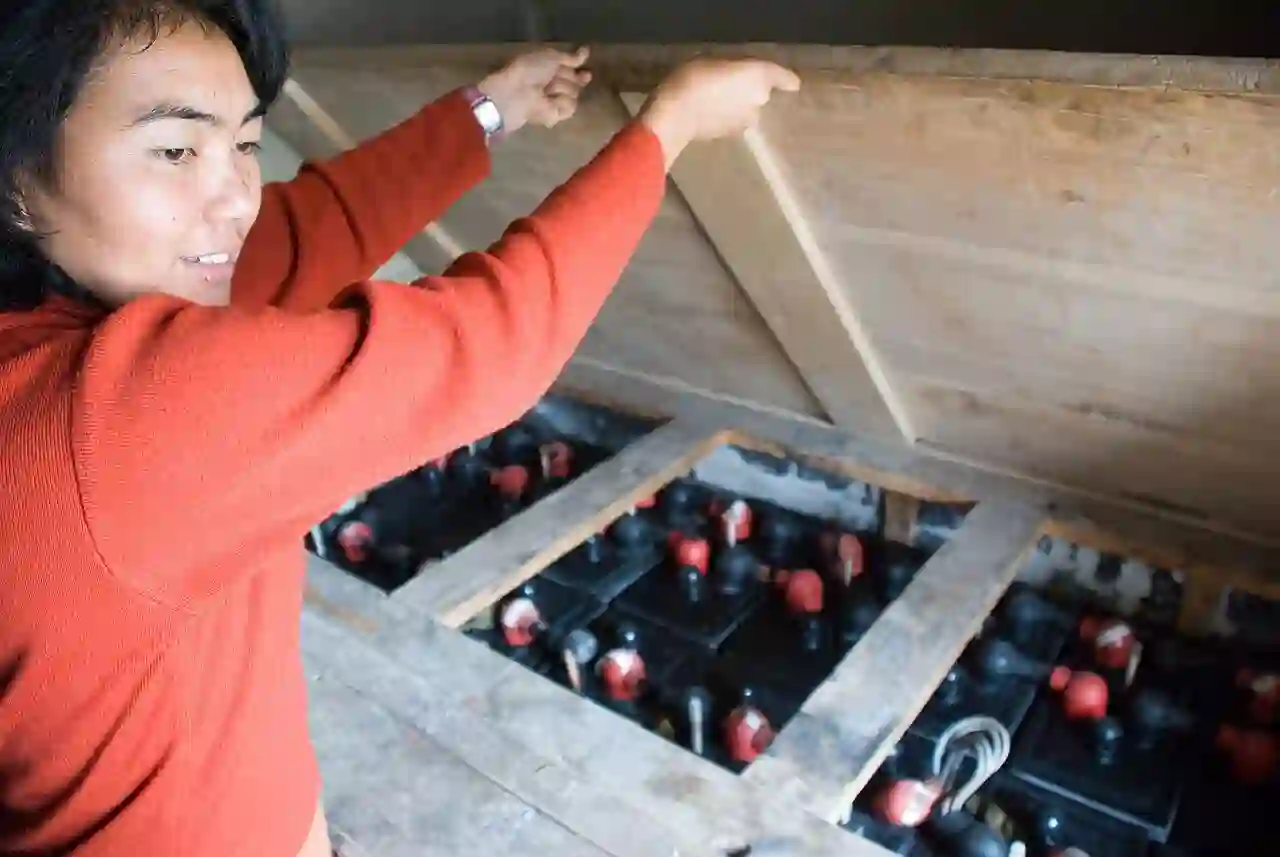
UL 1973 is a battery product standard; UL 9540 addresses energy-storage systems and equipment; UL 9540A is a test method for evaluating thermal-runaway fire propagation, not a product listing. These labels are not interchangeable. Verify any claim against the exact product or system record and ask the local authority having jurisdiction which requirements apply to the proposed installation. Do not infer that every inspector or jurisdiction requires the same listing.
Compare use cases without preselecting equipment
- Mobile systems: Compare vehicle-space limits, mass, vibration conditions, alternator-charging requirements, and the exact charger/BMS instructions.
- Seasonal or cold locations: Compare storage and charging temperature limits, low-temperature controls, heating-energy needs if applicable, and the manufacturer’s stated operating procedure.
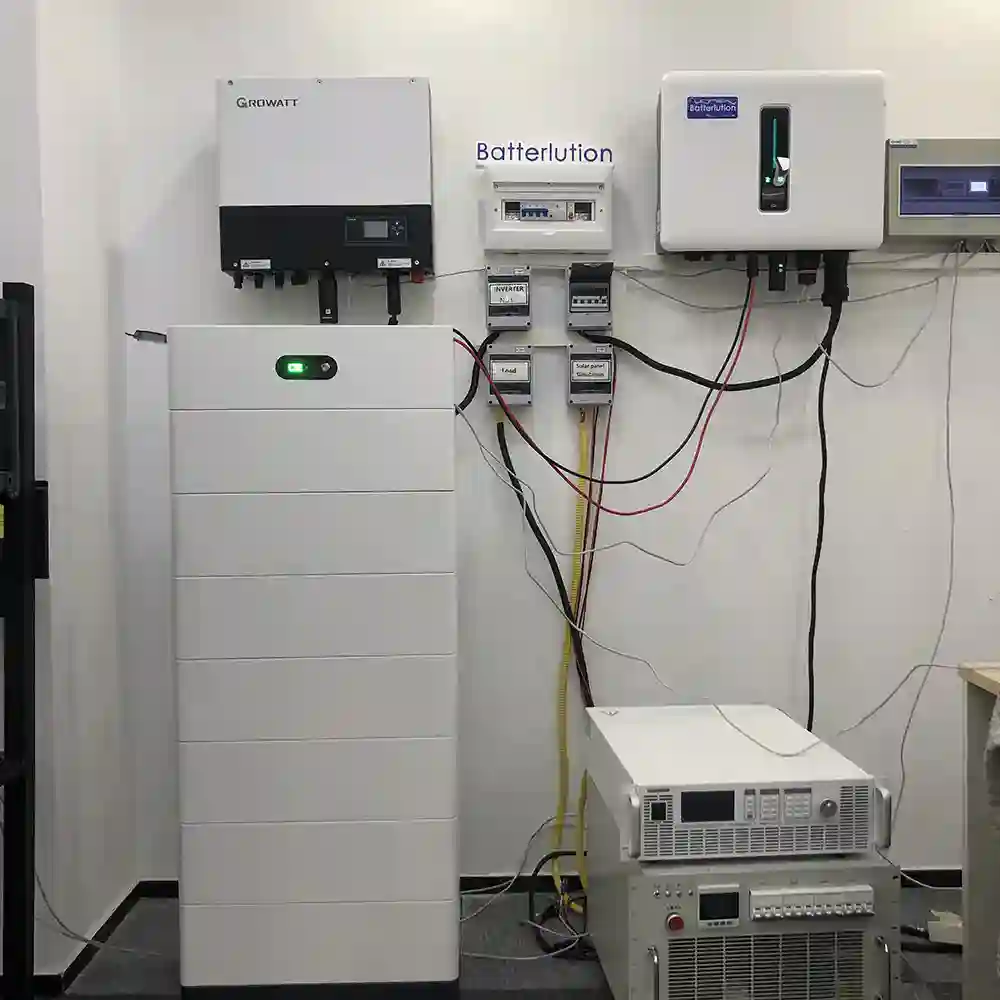
- Whole-home systems: Compare daily energy, simultaneous and surge power, inverter compatibility, battery-bank limits, service access, and the complete system’s applicable installation documentation.
Questions to take to a product comparison
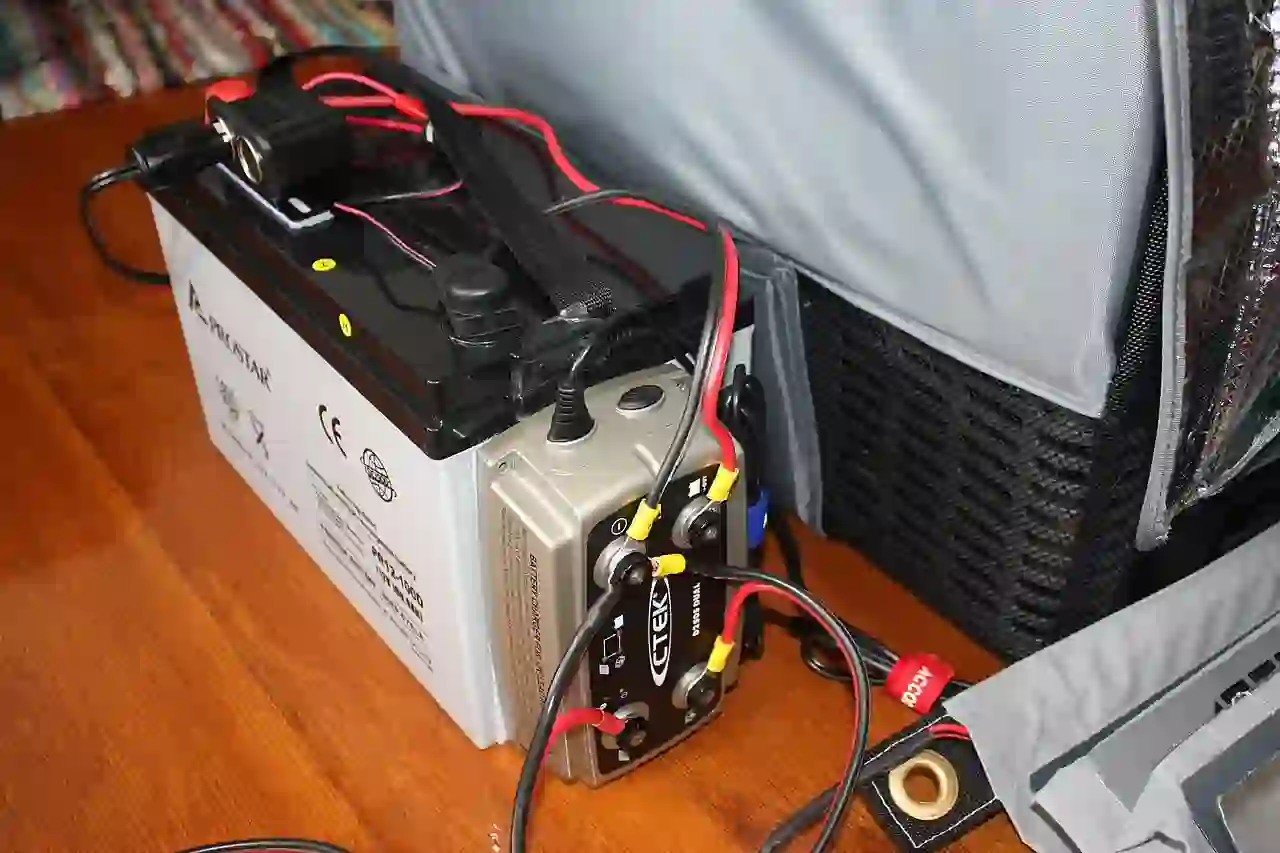
- What exact model and revision is being compared, and where is its current manual or datasheet?
- How does the manufacturer define nominal and usable energy, and at what test conditions?
- What continuous and peak current can the battery bank provide at the required duration and temperature?
- Which BMS and inverter/charger combinations are explicitly supported?
- What charge, discharge, and storage temperature limits apply, and how does the system respond at those limits?
- Which product and system listings, permits, installation conditions, warranty terms, and quote items apply locally?
Frequently Asked Questions
No chemistry is best for every application. Compare exact model capacity, current and temperature limits, charging controls, service requirements, compatibility, warranty, and total quote against the system’s use and location.
Use the exact manufacturer’s usable-capacity or DoD specification and its test conditions. Do not assume one universal usable percentage for all lead-acid or LiFePO4 batteries.
The allowed range depends on the exact battery model and its controls. Check the current manual. As one product-specific example, Victron Lithium Smart documentation specifies a +5°C minimum charging temperature; that limit should not be applied to other products.
No. Confirm the exact battery and inverter models, supported protocol and firmware, required BMS, and approved configuration in both manufacturers’ compatibility documents.
UL 1973 is a battery standard; UL 9540 covers energy-storage systems and equipment; UL 9540A is a fire-propagation test method, not a product listing. Verify exact product/system records and local requirements.
There is no universal rule that makes mixed batteries compatible. Follow the exact manufacturers’ series/parallel and expansion limits; do not combine products unless their documentation explicitly allows the configuration.
Sources and product documentation
- Victron Energy, Lithium Smart technical data, including model-specific capacity, current, cycle-test, and temperature data.
- Victron Energy, Lithium Smart system design and BMS selection guide and operation manual.
- UL Solutions, Energy storage system testing and certification and UL 9540A test method.
- Trojan Battery, T-105 product specifications and battery maintenance guidance. T-105 is an example of product-specific capacity ratings and maintenance requirements, not a recommendation.
Sources checked October 4, 2026. Product versions, manuals, certification records, prices, and local requirements can change. Verify current documents before making a purchase or installation decision.